

The pressures reshaping the profession may, paradoxically, be creating the conditions for its greatest opportunity. As trust, reputation, stakeholder engagement and regulatory risk move to the centre of organisational strategy, ambitious reputation leaders are seizing the moment.
Geopolitics, regulatory complexity and reputational risk are not just challenges to be managed; they are career catalysts, elevating the function and the people who lead it.
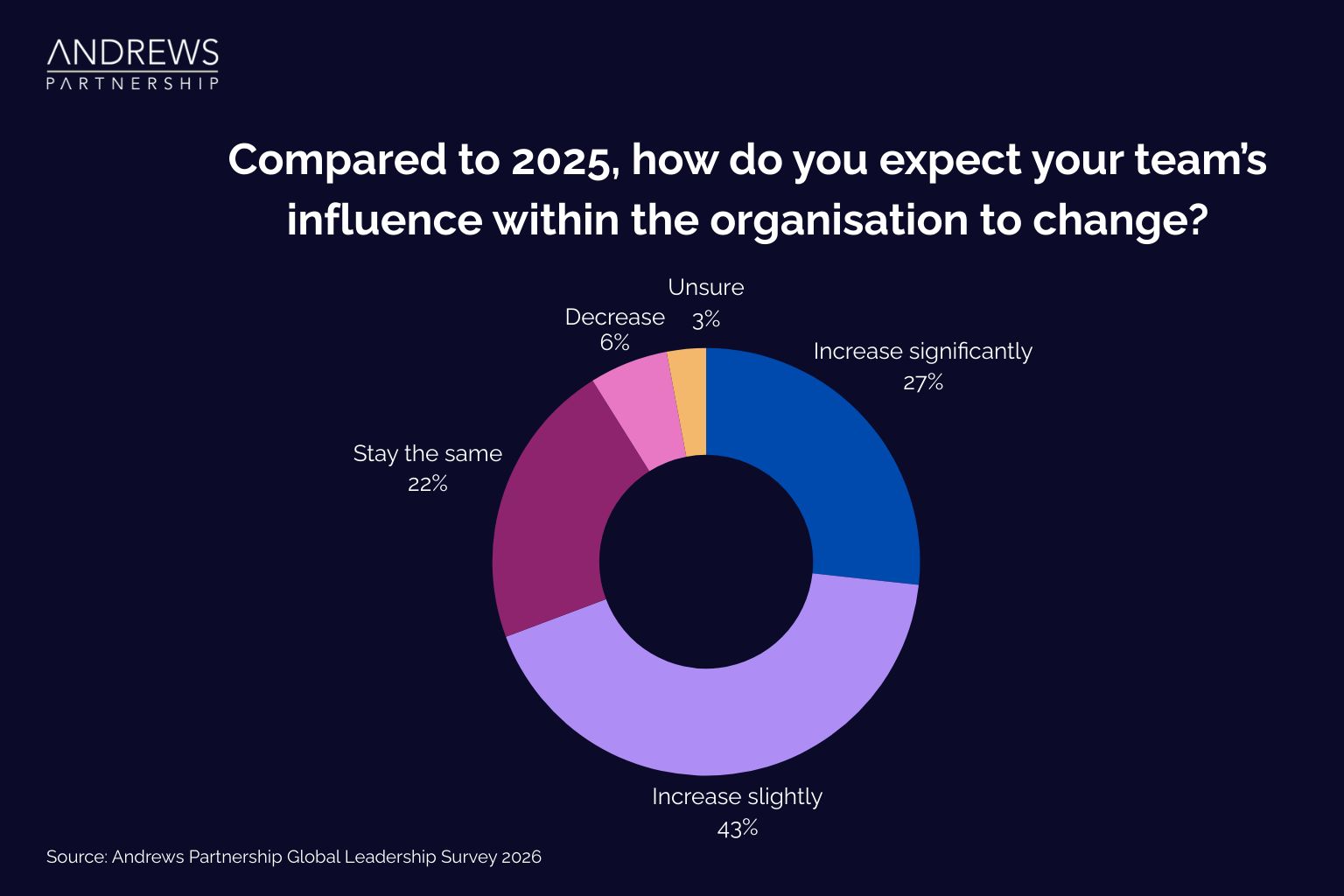
The data reflects this shift. Over two-thirds (70%) of reputation leaders expect their influence within their organisations to grow this year, with 27% anticipating a significant increase. Only 6% expect a decline – a striking vote of confidence from a profession navigating considerable uncertainty.
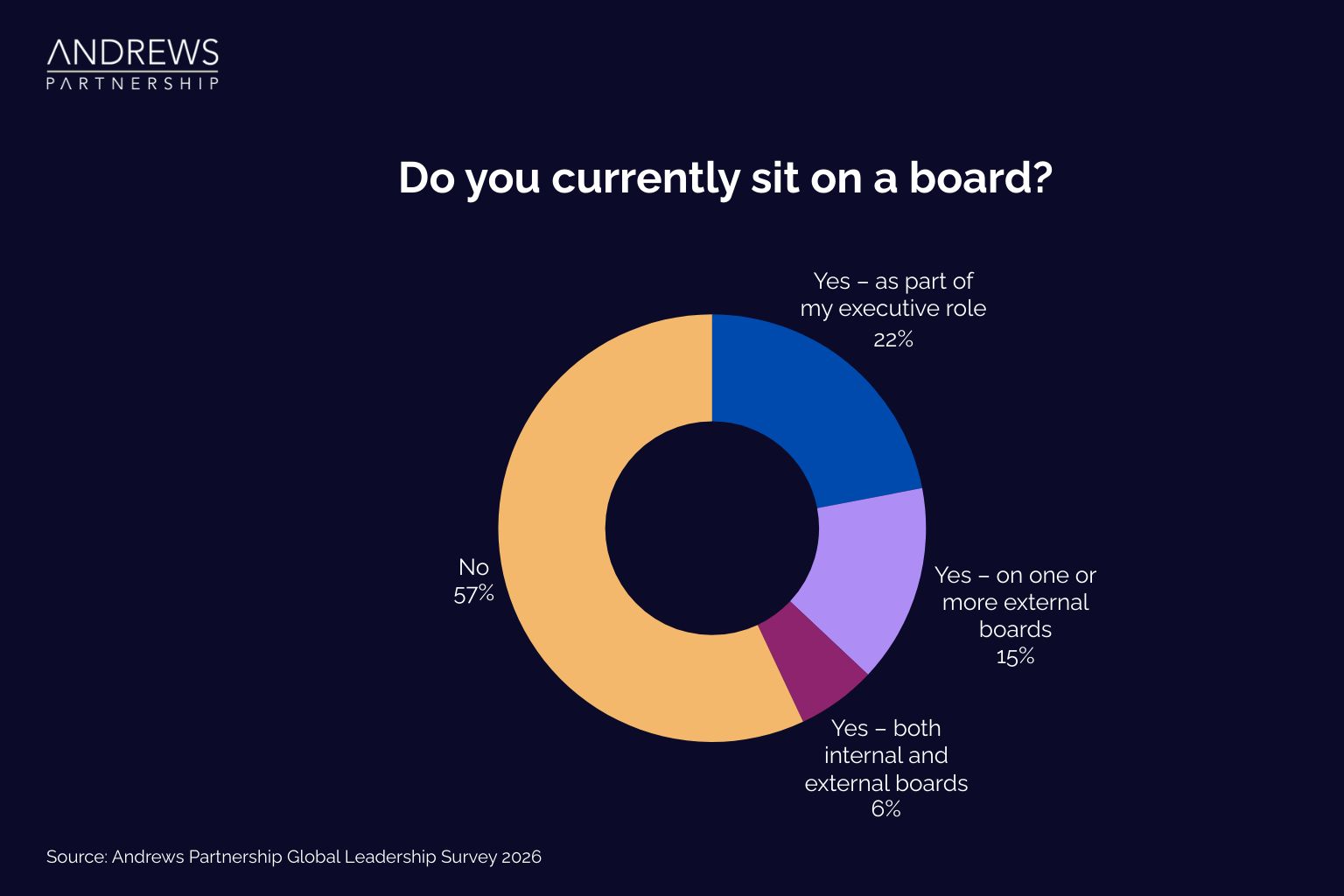
That confidence has a structural dimension. Over 40% of respondents now hold board roles – a clear signal that reputation and risk have become issues organisations want represented at the highest level.
As illustrated by our boardroom pathways series, CA leaders have never been better positioned to serve on boards and doing so builds valuable networks, enhances strategic thinking and strengthens credibility.
As one respondent put it, the defining capability for 2026 will be the “ability to build trust and influence senior stakeholders, especially in moments of crisis or when decisions are being deliberated [and] to bring corporate reputational risk discussions into the boardroom.”
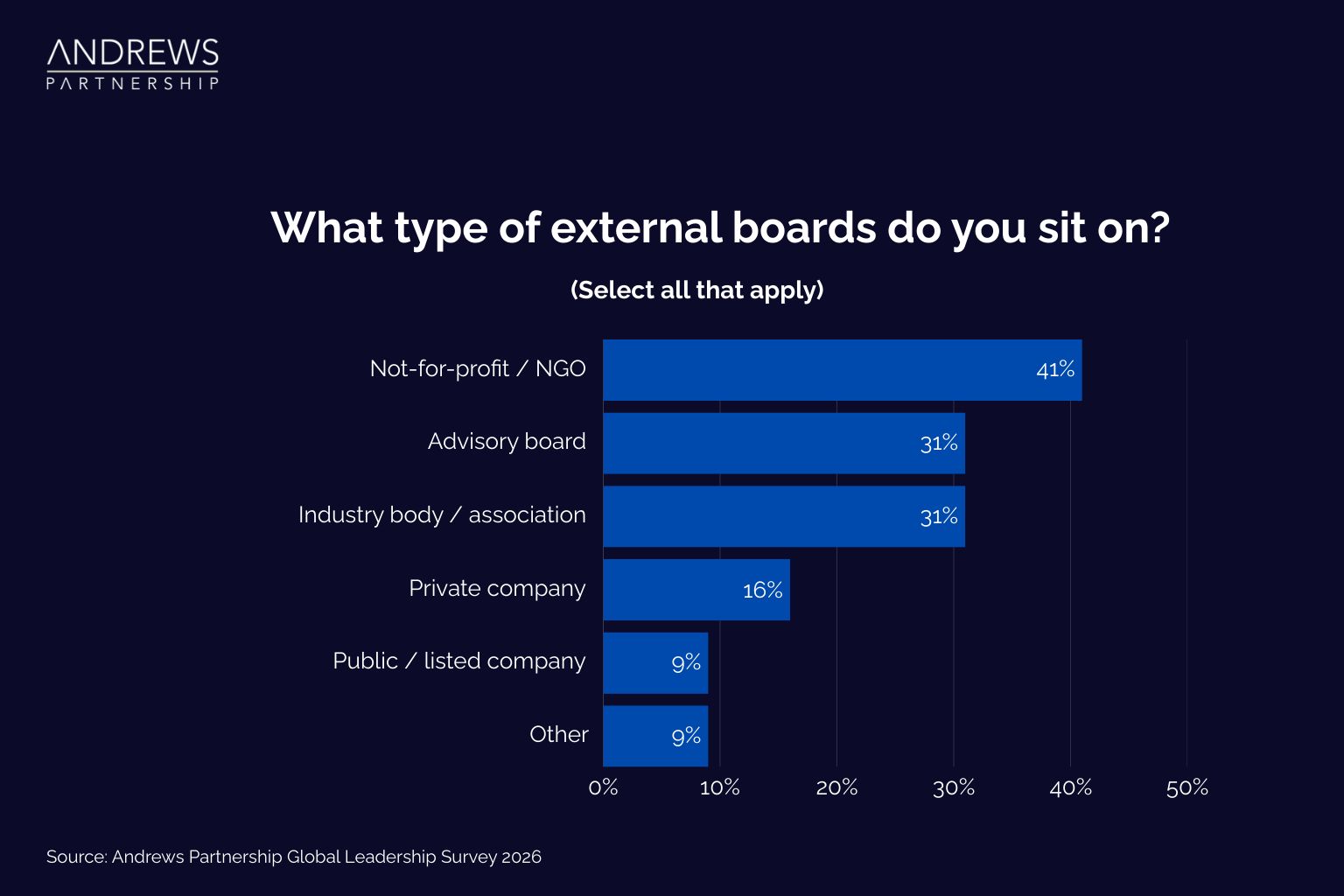
Board engagement extends beyond internal structures. Among those sitting on external boards, not-for-profit and NGO boards and industry bodies are the most common, reflecting the value placed on reputation leaders who can navigate complex stakeholder environments and build influence across sectors.
That external reach matters because, as respondents described, influence operates in multiple directions simultaneously. The most effective reputation leaders are positioning themselves not just as advisers to leadership, but as connectors between their organisations and the wider environment.
The question is no longer whether reputation leaders belong in the boardroom – increasingly, they are helping to shape what happens there. What will determine who thrives is the quality of the distinctly human capabilities they bring: judgement, influence and strategic vision. That is the focus of the next shift.